
A Changing World for Our Students
As educators, we often talk about preparing students for the future. But lately, I have found myself asking a different question. How do we prepare children for a future that even we, as adults, cannot confidently predict?
Artificial intelligence is developing so quickly. Careers are changing, and some of the jobs our students are preparing for today may look very different by the time they leave school.
There is a lot to be excited about, but I also wonder how our young people feel about these changes. Are they excited, worried or confused? And are we taking enough time to ask them?
As a Headmaster, I want our students to achieve academically. But I also want them to enjoy being young, build friendships, develop confidence and feel happy and secure.
I don’t believe academic success and wellbeing should be separate goals. Both matter.
Excellence Is More Than a Grade
Having worked in education for over thirteen years, including leadership roles in international schools, I understand how important academic achievement is.
For students following Cambridge IGCSE and A Level pathways, examination results can open doors to universities and future opportunities.
But I have always believed that a child’s success cannot be measured by examination results alone.
What about the quiet student who finally finds the confidence to speak in class? Or the child who learns to manage a difficult friendship, asks for help or tries again after a disappointment?
These are achievements too.
Sometimes I worry that because grades are easier to measure, we give them more attention than the personal growth happening alongside them.
Psychologist Carol Dweck’s work on growth mindset is a useful reminder that how we respond to challenges, mistakes and setbacks matters. Children need encouragement to keep learning, not just praise when they achieve high marks.
AI and an Uncertain Future
AI can offer wonderful opportunities for learning. Students can explore ideas, find explanations and approach problems in new ways.
But imagine being sixteen, studying hard for examinations and hearing adults discussing how AI might replace jobs or change entire careers.
That must feel unsettling at times.
We cannot predict the future, but we can help students develop the confidence and skills to manage change.
Critical thinking, communication, creativity and teamwork will remain important. We also need to teach students to question AI-generated information rather than automatically accepting it.
But I believe something else matters just as much: helping young people understand themselves, their strengths and their values.
Technology will change, but kindness, empathy, honesty and human connection will always matter.
Are We Really Listening to Our Children?
This is something I have been thinking about a great deal as a school leader.
We spend so much time telling children what they need to learn, which examinations they must prepare for and what they should consider for their future.
But how often do we stop and genuinely ask them what they think?
Over the years, I have had many conversations with students that have surprised me.
Sometimes I begin a conversation thinking I understand a student’s concern. But when I give them time, ask another question and listen a little more carefully, I discover something completely different.
It reminds me that listening and really understanding are not always the same thing.
Our students are growing up in a world very different from the one we experienced. Technology, social media and AI are part of their everyday lives.
And sometimes, they know far more about these things than we do!
I think adults need to be comfortable accepting that. We don’t always have to be the experts. Sometimes we can learn from our children.
This connects with Shane Safir’s book, The Listening Leader, which explores how listening to students, staff and families can help build stronger school communities.
For me, the important part is not simply giving students a voice, but showing them that we genuinely value what they have to say.
Parents Are Feeling the Pressure Too
Parents naturally want the best for their children. They worry about grades, friendships, university choices and future careers.
Now families are also trying to understand AI, social media and online safety.
I can understand why this feels overwhelming.
Schools sometimes add to that pressure without meaning to. We send reminders about examinations, homework and deadlines because these things matter.
But are we communicating enough about children’s happiness, confidence and wellbeing?
A disappointing examination result should never make a child feel that they are a disappointment.
We need to remind young people that making mistakes, experiencing setbacks and changing direction are normal parts of growing up.Making Time for Real Conversations at Home
One of my biggest messages to parents is actually very simple.
Please make time to talk to your children, and more importantly, make time to really listen.
I know how busy family life can be. Between work, school, activities and everyday responsibilities, the day can pass without a proper conversation.
I often think about the family dinner table.
Are we still finding time to sit together and ask about each other’s day? Or are those moments being interrupted by phones, messages and social media?
Adults are just as guilty of these distractions.
I would encourage parents to set aside even fifteen or twenty minutes for a conversation without screens or interruptions.
Not just to ask about homework or examination results, but questions such as:
- What has been on your mind lately?
- How do you feel about AI and your future?
- What do you think adults don’t understand about your generation?
- If you could change something about school, what would it be?
And then really listen.
Don’t rush to offer advice or correct their opinions. Ask another question. Give them time to explain.
You might be surprised by what you hear.
I know I have been surprised many times when I have taken the time to listen more deeply to students. Their ideas, worries and understanding of the world can be very different from what we expect.
Sometimes children don’t need us to solve everything. They just need to know that someone is listening.
Keeping Communication Open Between Home and School
I believe schools and families need to work together more closely than ever.
Communication shouldn’t only happen when there is a problem.
Parent coffee mornings, informal conversations, regular teacher updates and opportunities for families to share their views can all help build trust.
Student councils, wellbeing discussions and student feedback are equally important.
But we must also act on what we hear. There is little value in asking students for their opinions if we are not prepared to consider them.
This also connects with the LYIS Leadership Framework, which recognises that educational excellence goes beyond academic results and includes wellbeing, relationships and the wider development of young people.
As school leaders, we should create a culture where students, parents and teachers feel comfortable speaking openly.
We also need to support our teachers, who are adapting to new technologies and increasing expectations while caring for students with many different needs.
Preparing Students for Life, Not Just Examinations
One of the things I enjoy most about international education is working with children and families from so many different backgrounds.
Every child brings their own experiences, strengths and challenges into school.
Of course, I want students to leave with qualifications that give them choices.
But I also want them to leave with confidence, resilience, kindness and the ability to build healthy relationships.
AI will continue to develop. Careers will change, and the world our children grow up in will be different from the one we know today.
But children will always need to feel listened to, valued and understood.
My Key Takeaway for Parents and Educators
If there is one message I would like parents and educators to take away, it is this:
Make time to listen to your children. Really listen.
Ask about their worries, their ideas and what they hope for.
Don’t assume that because we are adults, we always know more or have all the answers.
I continue to learn from students, and I am often surprised by their honesty, knowledge and perspectives.
Sometimes the most important thing we can give a child is not another lesson, activity or piece of advice.
It is simply our time and our full attention.
In preparing children for tomorrow, let’s not forget to listen to who they are today.
I would love to hear how other school leaders and parents are encouraging these conversations and making sure young people’s voices are heard.
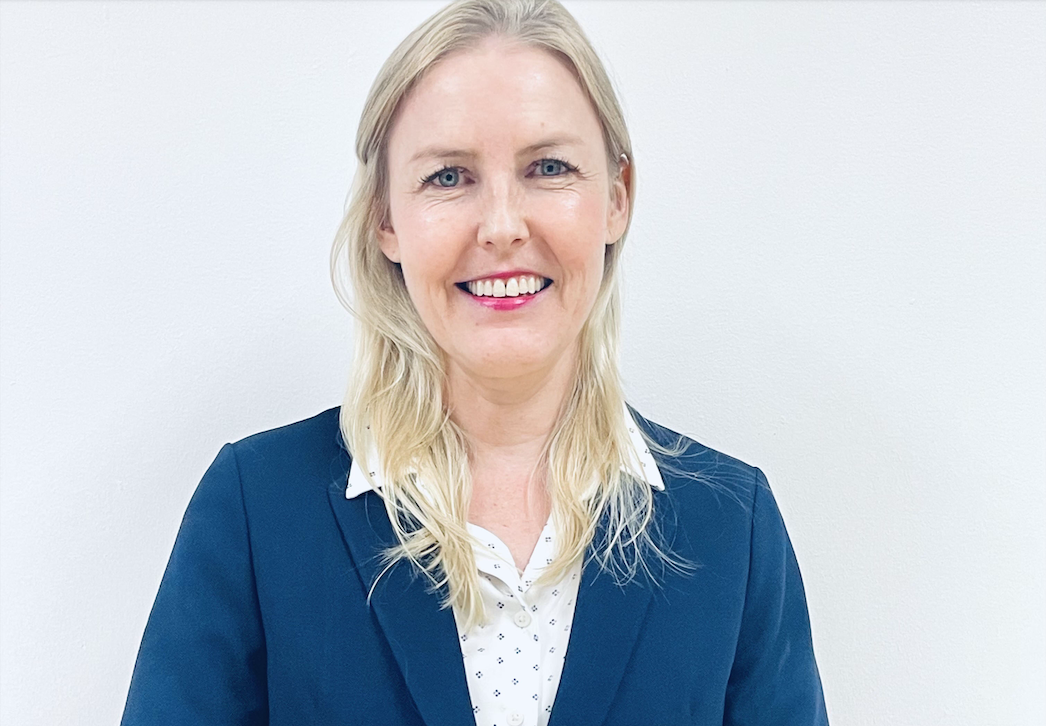
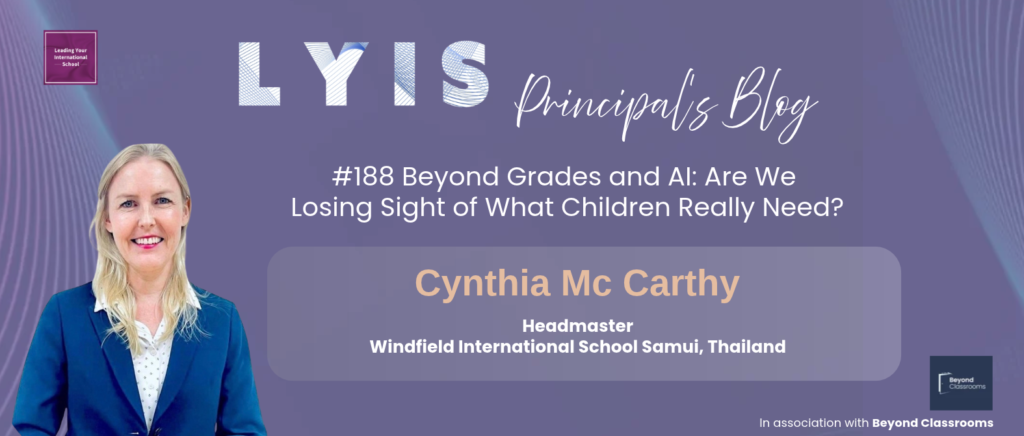
Cynthia Mc Carthy, Headmaster, Windfield International School Samui, Thailand
LYIS is proud to partner with Beyond Classrooms



Leave a Reply